
AMARAVATI, April 14: A landmark research initiative to uncover the causes of chronic kidney disease (CKD) in the Uddanam region of Srikakulam district has gathered momentum, with a dedicated team now collecting blood and urine samples from local residents and deploying biomarker testing — a method being used in the area for the first time — to detect early signs of renal deterioration.
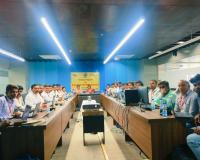
The research team briefed State Health Minister Satyakumar Yadav on the progress at a review meeting here on Monday.
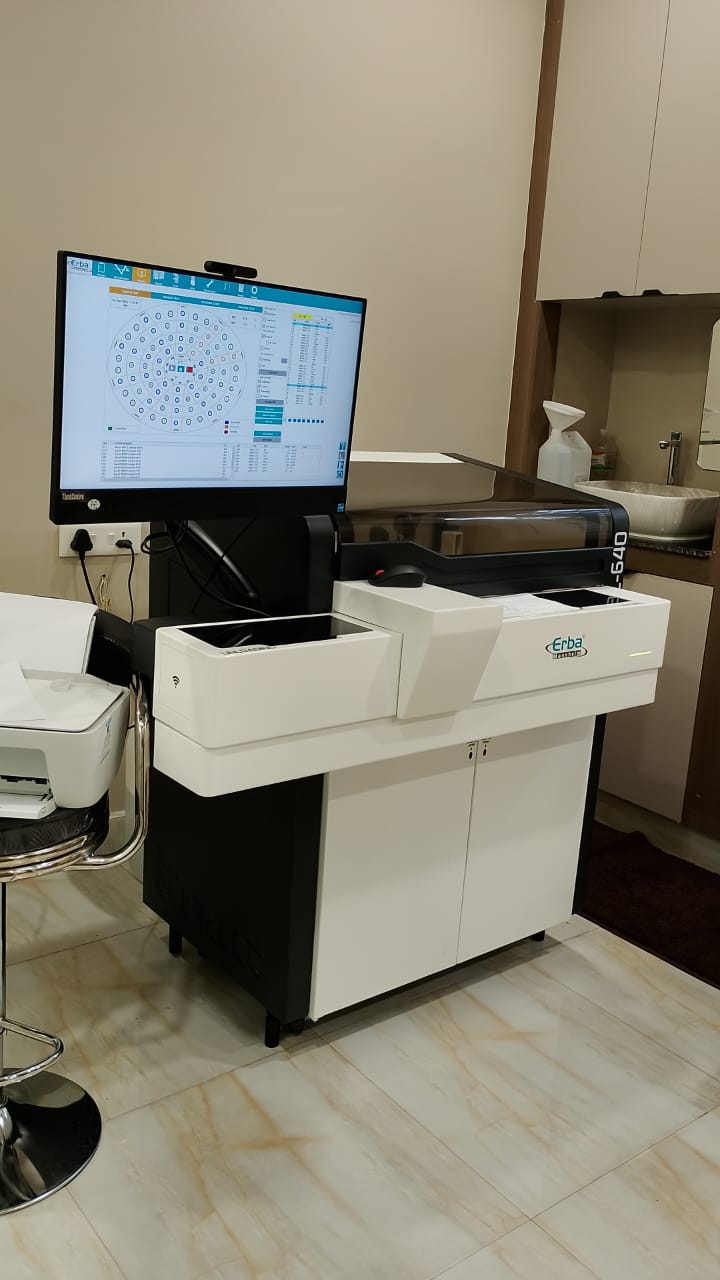
A specialised laboratory, equipped with centrifuges, deep freezers, sample storage systems, analytical instruments, and field sampling kits, has been set up at King George Hospital (KGH) in Visakhapatnam at a cost of approximately ₹80 lakh. Samples collected from residents are first stored at a kidney research centre in Palasa before being transferred to the KGH facility under controlled conditions.
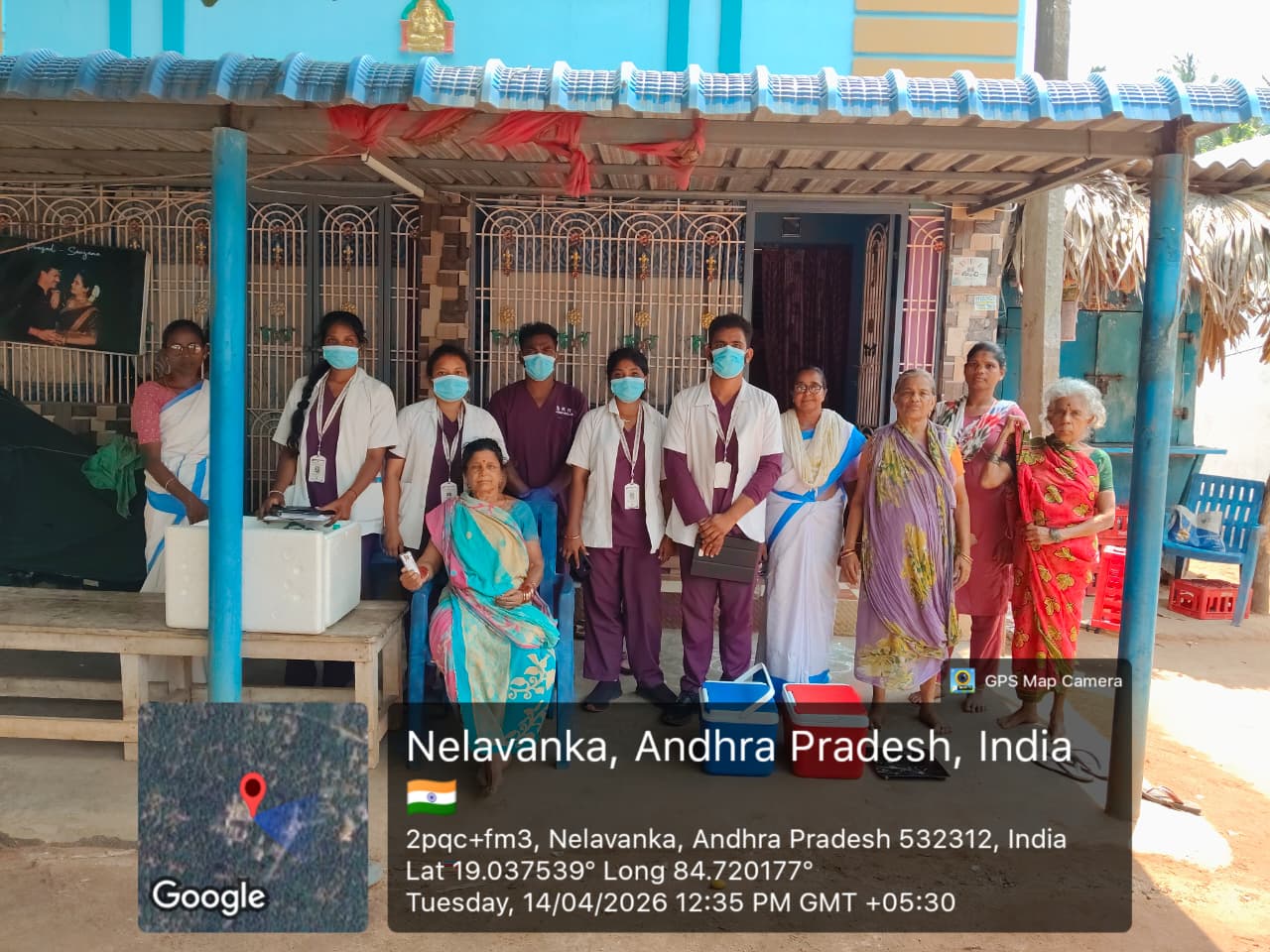
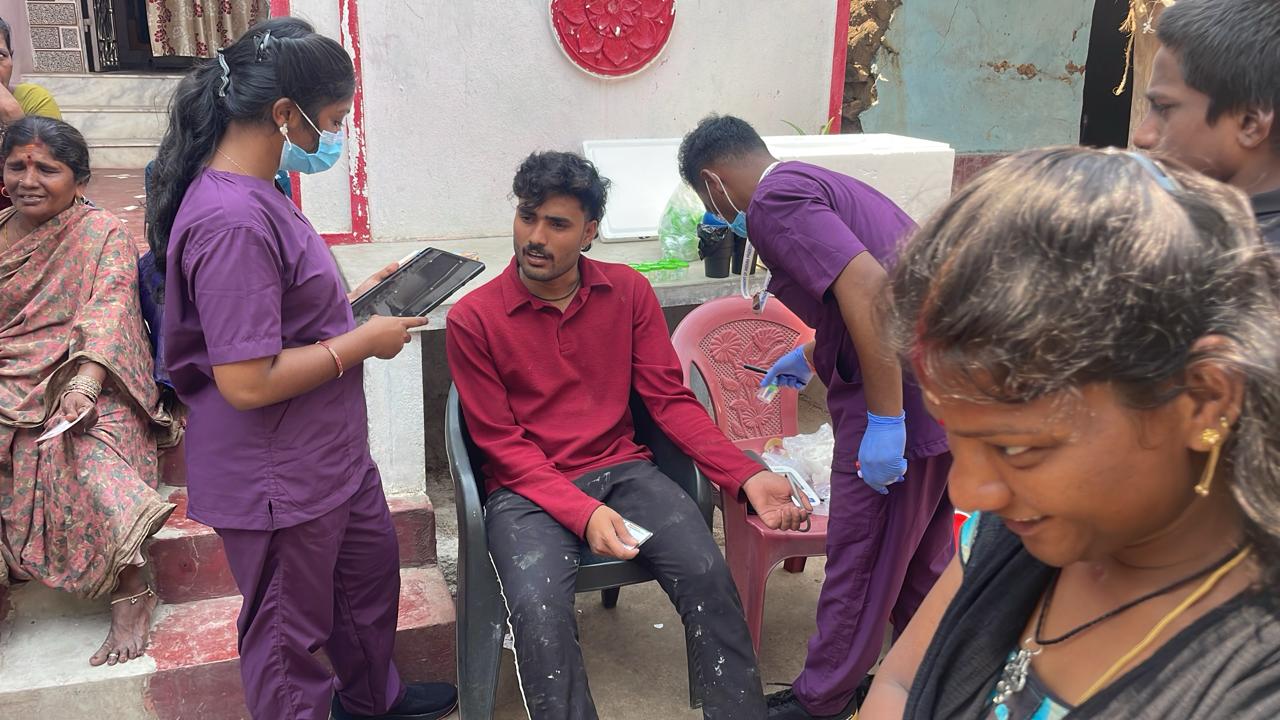
So far, blood and urine samples have been collected from around 1,500 residents through a special multi-disciplinary team. A structured questionnaire is also being administered to gather information on family medical history and other epidemiological factors.
Early detection through biomarkers
The principal investigators — Dr. G. Prasad, Professor of Nephrology at Andhra Medical College, and his mentor, senior nephrologist Professor Tatapudi Raviraju — said that biomarker testing of urine samples would make it possible to identify individuals likely to develop kidney disease within three to four years, at a micro level, well before clinical symptoms manifest.
"Mass biomarker screening of this nature for CKD patients is being undertaken for the first time," Dr. Raviraju said. The results, he added, would enable patients to take precautionary measures and allow clinicians to initiate early intervention, thereby preventing deterioration of kidney function. Genetic testing using RNA sequencing (RNAseq) will also form part of the research.
ICMR grant, research background
The Indian Council of Medical Research (ICMR), under its Department of Health Research, approved a grant of ₹6.2 crore in November last year for a three-year study into the high prevalence of CKD in Uddanam. The approval followed sustained efforts by Health Minister Satyakumar Yadav to secure central support for the investigation.
The research was originally initiated during the previous Telugu Desam Party government (2014–19), when the George Institute for Global Health, Australia, was engaged as the research partner. However, the initiative was subsequently suspended during the YSRCP administration. The present alliance government revived the effort following its return to power.
The research team assured the Minister that the study is progressing according to a defined timeline and is expected to be completed within the stipulated three-year period.
Uddanam, a coastal belt spanning several mandals in Srikakulam district, has for decades reported disproportionately high rates of kidney failure, often affecting individuals in their productive years. The cause of the disease cluster has remained poorly understood, with hypotheses ranging from contaminated groundwater to pesticide exposure.
About The Author